Resonance: A Plague Tale Legacy is an original prequel centered on Sophia, not A Plague Tale 3 and not a direct continuation of Amicia and Hugo's ending. Official Focus material places its main story 15 years before A Plague Tale: Requiem and connects Sophia's medieval journey with events in the ancient Minoan era. Newcomers can understand the story without playing Innocence or Requiem first, although returning players will recognize Sophia and broader Macula context.
Official, spoiler-light introduction to Sophia, Minotaur's Island, and the two-era premise.
Direct answer
You can start with Resonance. Official research collected through Focus's FAQ and story material says the game is designed to stand on its own. Playing the previous games first is optional rather than required. If you already intend to play the full series and care about release-order discovery, Innocence followed by Requiem preserves the way the world and Sophia were originally introduced, but it is not a prerequisite imposed by Resonance.
Chronologically, Resonance comes before Requiem. The official time gap is 15 years. It follows a younger Sophia and expands her history instead of retelling Amicia's first journey. The term “prequel” describes its position relative to Requiem; “spin-off” can describe its change of protagonist and gameplay direction. Neither label means the game is DLC.
Where it fits
A simple release-order path is A Plague Tale: Innocence, A Plague Tale: Requiem, then Resonance. A simple chronology-oriented path can place Resonance before Requiem, but the ancient thread reaches much farther back and the series was not originally revealed in that order. Release order usually preserves references and character recognition; chronological order foregrounds Sophia's background.
The Steam store calls Resonance an original prequel in the A Plague Tale universe. Focus's extended gameplay article says it unfolds through Sophia and the Minoan warrior Theseus across more than 2,000 years. The modern medieval thread is 15 years before Requiem, while the ancient thread creates the “resonance” between lives and eras. That structure is more precise than calling the whole game simply “set 2,000 years earlier.”
Resonance is also not evidence that the next numbered game must follow one particular ending theory. Supplemental articles discussed a post-credits connection, but those pages are inherently spoiler-heavy. This guide stops before that material. A prequel can expand a universe without functioning as the direct sequel some searches call A Plague Tale 3.
Do you need the earlier games?
No for basic comprehension. Game Informer's review independently said newcomers could enter the story, and official FAQ material was summarized the same way during research. Resonance introduces the younger Sophia, her immediate conflict, the island, and the Minoan connection as its own adventure. You do not need a save file, transferred choices, or knowledge of prior controls.
Yes, earlier games can add emotional and thematic context. Requiem introduces the older Sophia and shows the role she occupies later. Innocence and Requiem establish the Macula, Amicia, Hugo, and the series' prior stealth-centered identity. That familiarity may make the prequel's changes and references more meaningful, but context is different from required exposition.
If time is limited, choose according to your goal. Start with Resonance if Sophia, direct melee combat, and the Mediterranean setting are what drew you in. Start with Innocence if you want the complete release-order character arc and are comfortable with a more stealth-oriented earlier design. Do not read an ending explainer as a substitute for the games if spoiler avoidance matters.
Sophia and the two timelines
Sophia appeared as a supporting character in Requiem. Resonance moves her into the lead and follows her younger years as a plunderer on the run. Official Focus and Asobo pages describe her arrival on Minotaur's Island, her search for answers about her past, and her use of agility, sword and dagger combat, a grapnel, and a Minoan sphere.
The second timeline centers on Theseus in the Minoan era. Official material says the two stories resonate across more than two millennia. The exact narrative mechanism and later reveals belong to the game's mystery, so this page does not reduce them to a full plot summary. It is enough to know that ancient scenes are not an unrelated side story; they are part of the prequel's central structure.
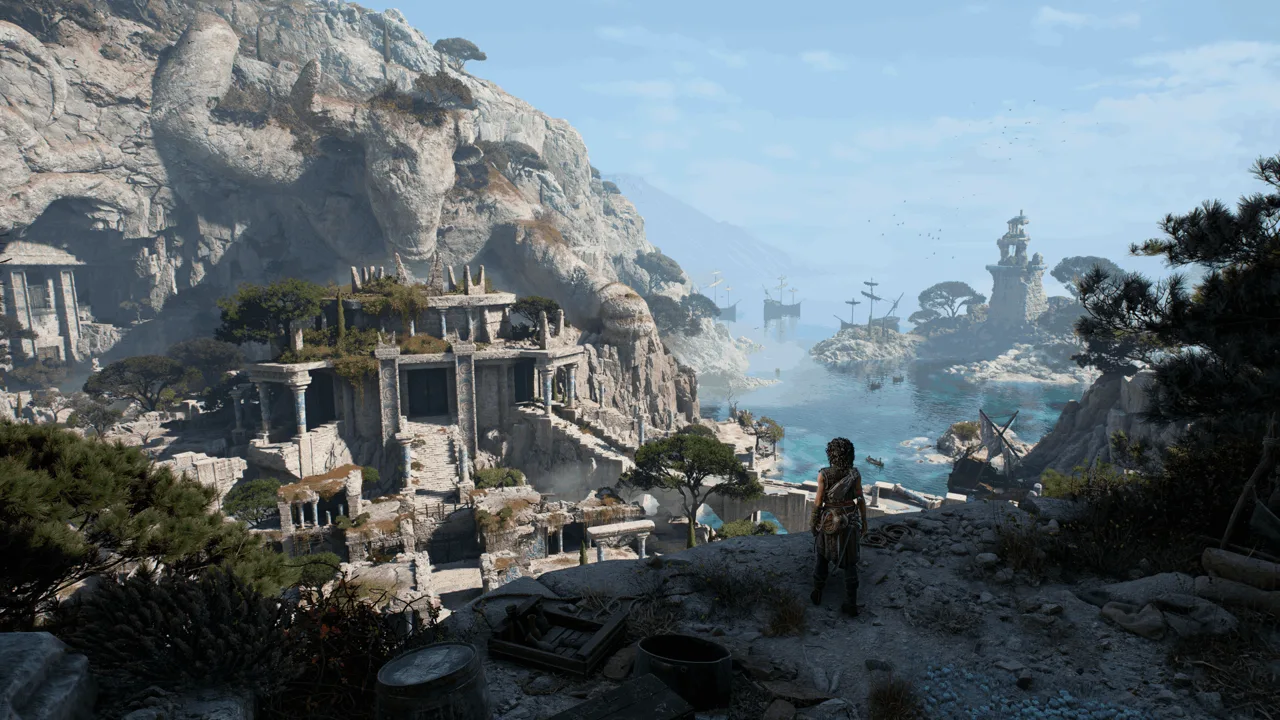
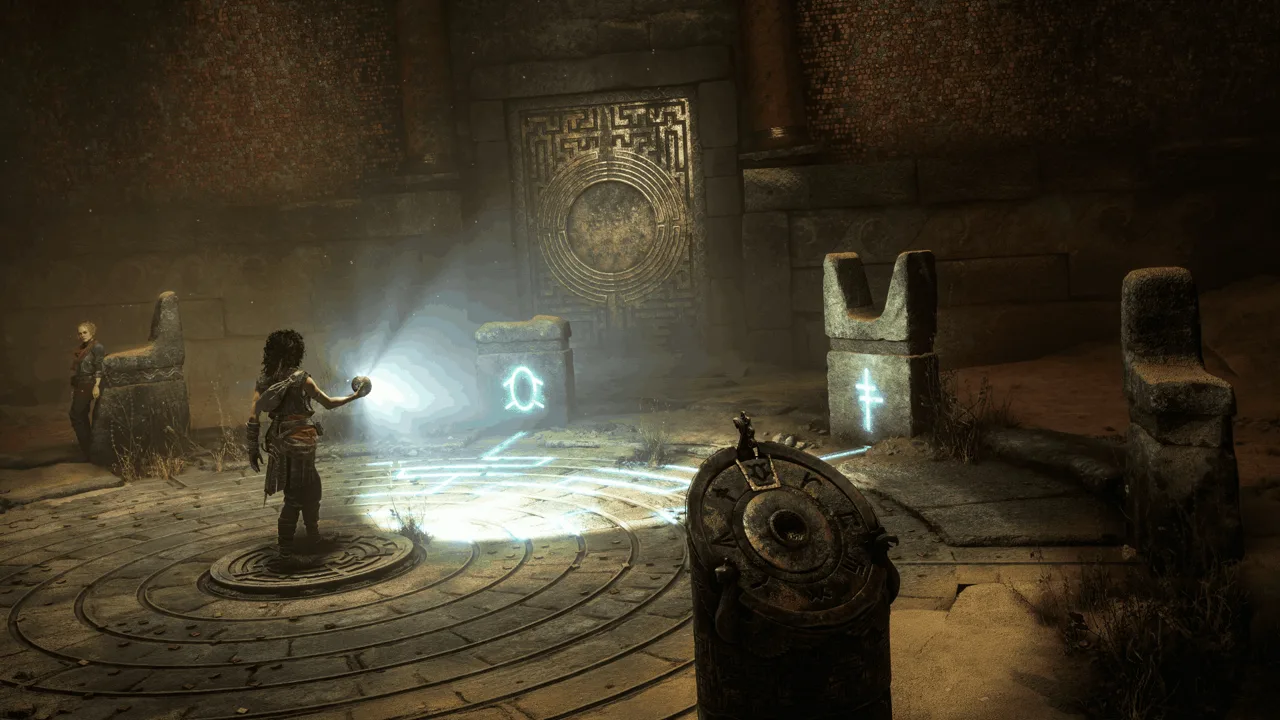
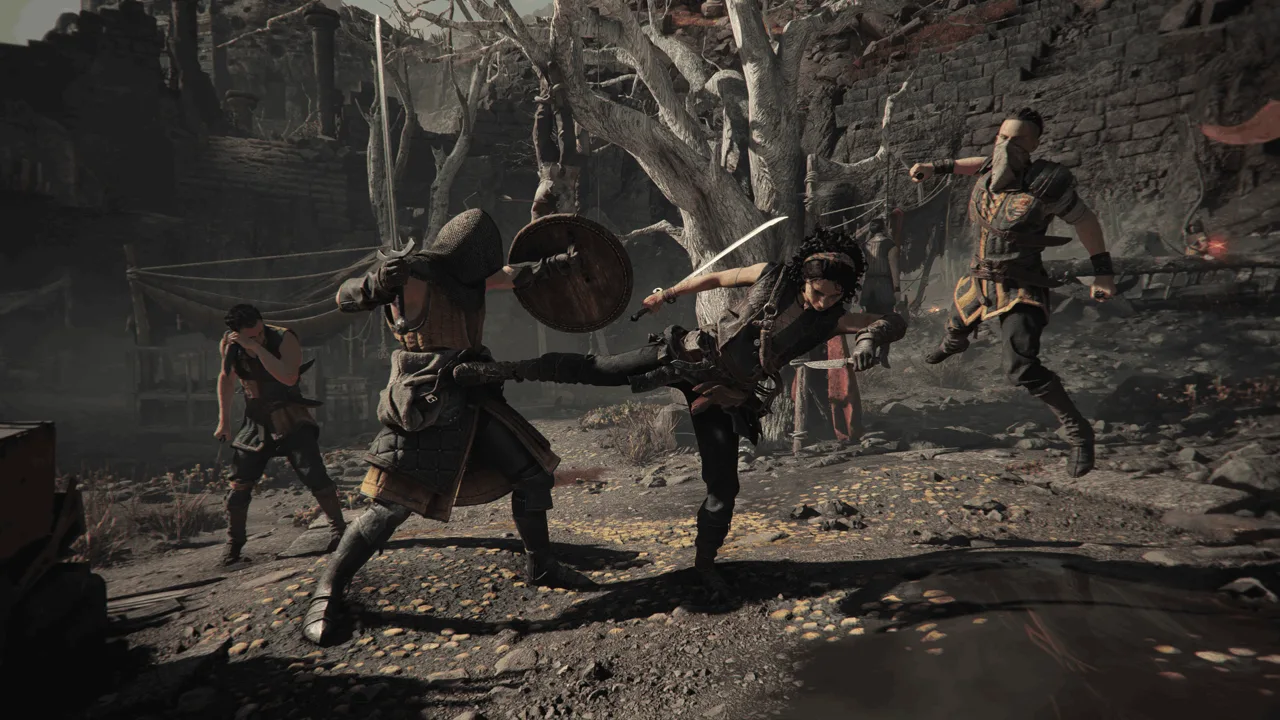
The Macula remains part of the wider universe, but Resonance does not simply replay Hugo's story. The collected official material frames Sophia's encounter with that legacy as earlier than Requiem. Avoid using fan-wiki ages or relationship labels as the sole authority; the dedicated Sophia page distinguishes official background from details that still rely on secondary material.
Spoiler boundary
Search results for “story related to previous games” included a Polygon post-credits explainer. Its headline and body connect the ending to Amicia and later series possibilities. That can answer continuity questions after completion, but it is not a safe first-stop source. This page deliberately omits the cameo, ending action, and post-credits interpretation.
The Guardian review and story-explainer videos discuss Sophia's childhood, later years, father, visions, and the ancient warrior in much greater detail. They confirm the broad two-era structure but also expose story beats. The page uses only what is necessary to answer play order. A future spoiler section should be opt-in and clearly separated rather than mixed into the direct answer.
Official terminology should also guide interpretation. The title is Resonance: A Plague Tale Legacy, and the publisher calls it an original prequel. Community shorthand such as “APT3,” “Sophia DLC,” or “Requiem sequel” can express expectation, not product identity. Start from the official label, then use reviews to understand how the experience differs.
Sources and limits
The timeline and product identity come from the official Steam listing and Focus Entertainment's extended gameplay story. Focus community FAQ and developer material supplied the standalone-newcomer conclusion. The Guardian, Polygon, Gaming Harry, and Mortismal were used only for attributed context because several contain major spoilers.
This is a spoiler-light guide, not a plot recap. It does not explain the post-credits scene, claim a canonical future sequel, or reproduce full video narration. Official future DLC or sequel information could change how the larger chronology is described, but it would not change the documented 15-year prequel position of the launch story without an explicit revision.